


Most everyday socks last several months to about a year depending on material and use, with cotton wearing out the fastest and merino wool holding up the longest. Replace any pair sooner if you spot holes, slack elastic, or odor that survives a wash. Rotating at least seven pairs and skipping fabric softener will stretch that lifespan noticeably.
TL;DR:
- Cotton socks typically last three to six months with daily use, especially if washed in hot water and tumble dried frequently.
- Synthetic blends can endure six to twelve months, thanks to higher tensile strength and elastic recovery properties.
- Wool socks often last nine to eighteen months, provided they are properly cared for, due to their resilient fibers and moisture management.
- Shoes that fit poorly or habits like hot washing, using fabric softener, and drying on high heat significantly accelerate sock wear.
- Replacing compression and work socks every three to six months is recommended because they endure more stress and lose effectiveness faster.
Table of Contents
- How long do socks last by material and style?
- What makes socks wear out faster?
- How do you know it’s time to replace your socks?
- How to make socks last longer
- Is it worth paying more for durable socks?
- What SVBFLOR looks for in sock construction
- Where to find socks built for the long haul
- Sources
- FAQ
How long do socks last by material and style?
Sock lifespan depends far more on fiber and construction than most shoppers assume. A cheap cotton crew and a reinforced athletic sock can wear at completely different rates even under identical use, because the fibers respond to friction and moisture in different ways.
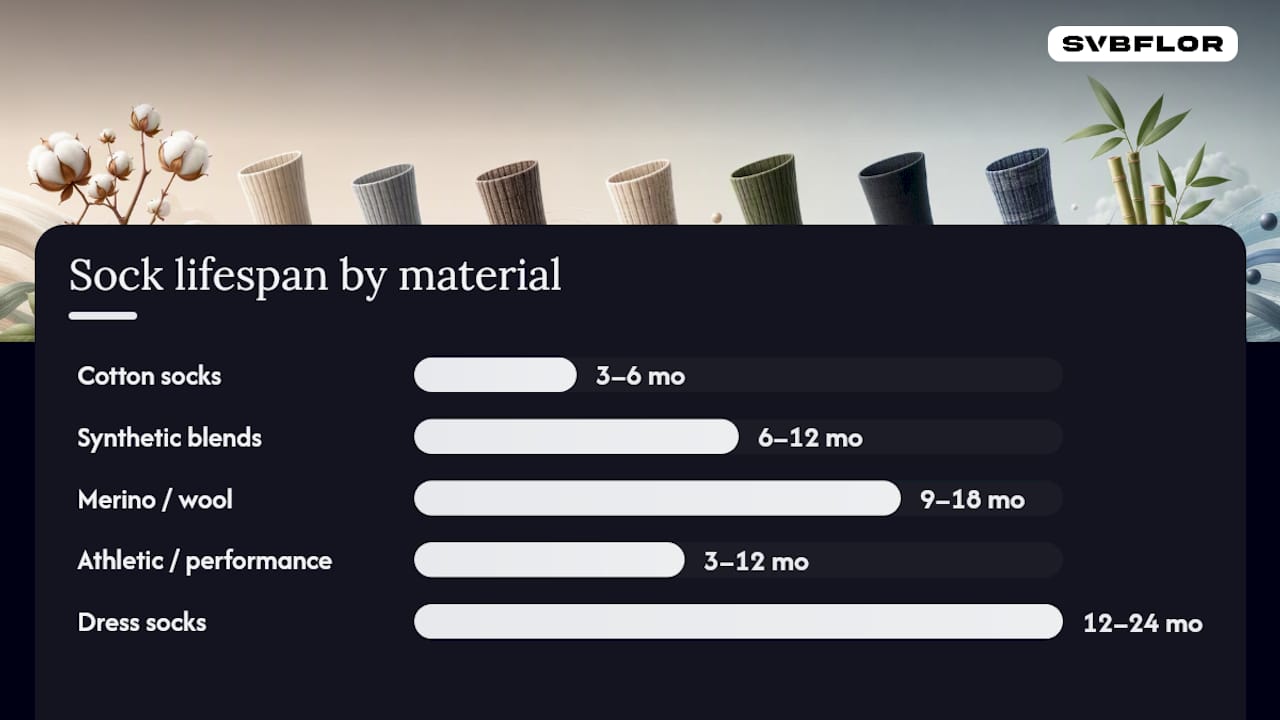
Cotton socks typically last three to six months under daily wear. Cotton fibers have a relatively short staple length compared to wool or synthetic filament yarns, which means the fibers pill, thin, and break down faster under repeated abrasion. Cotton also absorbs moisture and holds it, and performance testing from Cotton Incorporated shows that laundering conditions, especially hot washing and tumble drying, accelerate that breakdown further.
Synthetic blends (nylon, polyester, spandex mixes) generally run six to twelve months. These fibers have higher tensile strength and better elastic recovery than pure cotton, so the cuff keeps its grip and the heel resists thinning longer. Blends built with mesh panels or wicking yarns also stay drier during wear, which limits the moisture-driven fiber fatigue that shortens cotton’s life.
Merino and other wool socks often reach nine to eighteen months with proper care. Wool fiber has a natural crimp and a tougher outer structure than cotton, and the International Wool Textile Organisation documents how that resilience helps wool socks resist crushing and abrasion while managing moisture more effectively than cotton. That combination is why a well-made wool hiking sock can outlast a cotton equivalent by a year or more.
Athletic and performance socks vary widely, from three to twelve months, because the range depends entirely on training volume. A sock worn for three easy runs a week wears differently than one used in daily high-mileage training or on rough trail surfaces. Podiatrists and footwear health writers commonly point to a six-to-twelve-month window for everyday cotton or wool socks, with heavier athletic use cutting that to three to six months.
Dress socks, worn less frequently and under lighter mechanical stress, tend to last twelve to twenty-four months. Less friction against dress shoes and shorter daily wear time both slow fiber fatigue considerably.
Work and compression socks used under heavy daily strain, especially in boots or standing jobs, often need replacement every three to six months. Constant pressure, repeated flexing, and higher sweat volume all speed up wear in this category.
What actually drives these differences comes down to three things:
- Knit density and needle count. Higher needle counts pack more yarn into the same area, producing a tighter, more abrasion-resistant fabric. Industry sources describe 170 or more needles per sock cylinder as a marker of denser, more durable construction.
- Reinforcement fibers. Polyamide (nylon) blended into the heel and toe, often in the 10 to 20 percent range, adds tensile strength exactly where friction concentrates.
- Fiber properties. Staple length, crimp, and tensile strength determine how many wear cycles a fiber can absorb before it snaps or thins, which is why wool and synthetic blends consistently outlast plain cotton.
Think about how this maps onto your own week. Someone standing on a concrete warehouse floor eight hours a day is putting more mechanical stress on a sock in one shift than an office worker in dress shoes puts on in a month. A distance runner logging 30 miles a week will wear through cushioning and heel fabric faster than someone who walks the dog twice a day. Match the sock to the job, and the ranges above become a lot easier to predict for your own closet.
What makes socks wear out faster?
Three forces do almost all the damage: friction, moisture, and abrasion. Every step rubs fabric against skin and against the inside of a shoe, and that repeated rubbing is what eventually breaks down fibers, flattens cushioning, and loosens the knit. Moisture makes it worse, because damp fibers are softer and more prone to stretching and tearing than dry ones.
Footwear fit plays a bigger role than most people realize. A shoe that’s too tight compresses the sock against the foot with every stride, concentrating friction at the heel and toes. Rough interior linings, like those in some work boots, act almost like sandpaper over months of wear. Loose shoes cause the opposite problem: the foot slides inside the shoe, and the sock absorbs that sliding motion instead of the shoe doing its job.
Laundry habits matter just as much as the shoes. A few common mistakes shorten sock life dramatically:
- Washing hot. High heat breaks down elastic fibers and speeds up fiber fatigue in cotton blends, according to Cotton Incorporated’s performance testing research.
- Tumble drying on high heat. This is one of the fastest ways to kill elastic recovery in a cuff, leaving socks that slip down within weeks.
- Using fabric softener. Softener coats fibers with a residue that reduces moisture wicking and can gum up the tiny air channels synthetic performance yarns rely on.
- Skipping the inside-out wash. Washing socks right-side out lets lint and detergent residue grind into the outer surface during the wash cycle, adding unnecessary abrasion.
The fix is simple: wash cold, skip the softener, and air dry or use low heat.
Body chemistry factors in too. Heavy perspiration keeps socks damp longer, which softens fibers and creates a better environment for odor-causing bacteria and fungal growth. Medical guidance on blister prevention points to moisture management as a key factor in both foot health and sock longevity, since damp, degraded fabric increases friction against the skin rather than reducing it. If you sweat heavily or spend long hours in restrictive footwear, that’s a hygiene reason to replace or swap socks sooner, not just a durability one.
How do you know it’s time to replace your socks?
Run a quick pair through this checklist. Any single point below is reason enough to retire the pair; two or more means don’t wait.
- Check for holes and thinning first. Stretch the fabric over your fingers and look for spots where you can see light through the weave, especially at the heel and big toe.
- Test the cuff’s grip. Pull the cuff to roughly double its resting diameter and let go. If it doesn’t snap back firmly, the elastic has failed and the sock will slip regardless of how well your shoes fit.
- Feel for flattened cushioning. Cushioned zones in athletic socks compress permanently over time; if the sole feels thin and hard compared to a new pair, the cushioning is gone for good.
- Smell test after washing. Odor that survives a full wash cycle usually means bacteria have worked into the fiber structure itself, not just the surface.
- Watch for irritation. Persistent itchiness or skin irritation after wearing a specific pair often points to degraded fabric rubbing against skin in ways it shouldn’t.
Compression socks and prosthetic liner socks deserve their own timeline. Because compression garments rely on precise, consistent pressure to work, they lose effectiveness well before they look visibly worn, and manufacturers typically recommend replacing them more often than standard socks, sometimes every three to six months with daily use.
Pro Tip: Do the snap test on a handful of socks at once during laundry folding. It takes ten seconds per pair and catches elastic failure long before you’d notice it by eye.
How to make socks last longer
Small habits add up to real months of extra wear. Here’s a sequence worth following:
- Skip the fabric softener. Use a mild detergent instead; softener residue reduces moisture wicking in performance fabrics and cuts abrasion resistance over time.
- Air dry when you can, or use low heat. High-heat tumble drying is one of the single fastest ways to kill elastic recovery in the cuff.
- Rotate at least seven to ten pairs. Giving each pair a full day to recover its shape between wears reduces cumulative compression and lets fibers rebound, which meaningfully extends usable life.
- Trim your toenails regularly. Sharp or overgrown nails are a leading cause of small holes forming at the toe seam, often before the rest of the sock shows any wear.
- Repair minor damage early. A small hole at the heel or toe can often be darned or reinforced with a patch, buying several more months of wear before the sock needs full retirement.
- Change socks mid-day when needed. Medical guidance recommends changing socks twice daily during heavy sweating or long hours in restrictive footwear, since damp fabric increases both blister risk and fiber breakdown.
Podiatrists tend to push this mid-day swap harder than most people expect, particularly for anyone standing all day in boots or training twice in one day. It’s not just comfort. Fresh, dry socks reduce the friction that causes blisters, which is a bigger deal for foot health than most people give it credit for, per dermatology guidance on blister prevention.
Pro Tip: Keep a spare pair of socks in your gym bag or car if you train more than once a day. It costs nothing and it protects both your feet and the socks you’re already wearing.
Is it worth paying more for durable socks?
Run the math before assuming cheap is cheaper. A $5 three-pack of thin cotton socks that needs replacing every four months costs about $15 a year per pair position in rotation. A $27 pair of reinforced performance socks lasting twelve months costs $27 a year for the same rotation slot. On paper, cheap looks like the win.
But that comparison ignores wear intensity. Someone running 20 miles a week or standing on a factory floor all day will burn through the cheap pair in half that time, closer to two months, pushing the annual cost toward $30, while a reinforced pair built for that load might still hit its full twelve months. At that point the math flips, and durability becomes the cheaper option.
Cost-per-wear works best as a mental model, not a spreadsheet:
- Light, occasional use (dress socks, casual wear): cheaper materials often make sense since wear cycles are low.
- Daily high-friction use (running, standing jobs, heavy training): reinforced construction pays for itself within a year, often faster.
- Anyone managing foot conditions (blister-prone feet, diabetic foot care, plantar issues): durability and moisture control matter more than price, since replacement isn’t just about cost but about skin health.
Athletes, daily standers, and people with existing foot sensitivity get the most value from paying up for construction quality. Everyone else can afford to mix in a few cheaper pairs for low-stress days.
What SVBFLOR looks for in sock construction
Durability starts with where a sock actually breaks down first: the heel, the toe, and the cuff. That’s why reinforced wear zones and targeted cushioning matter more than overall thickness. A sock can feel plush in the store and still fail at the heel within a few months if that zone isn’t built to handle repeated compression.
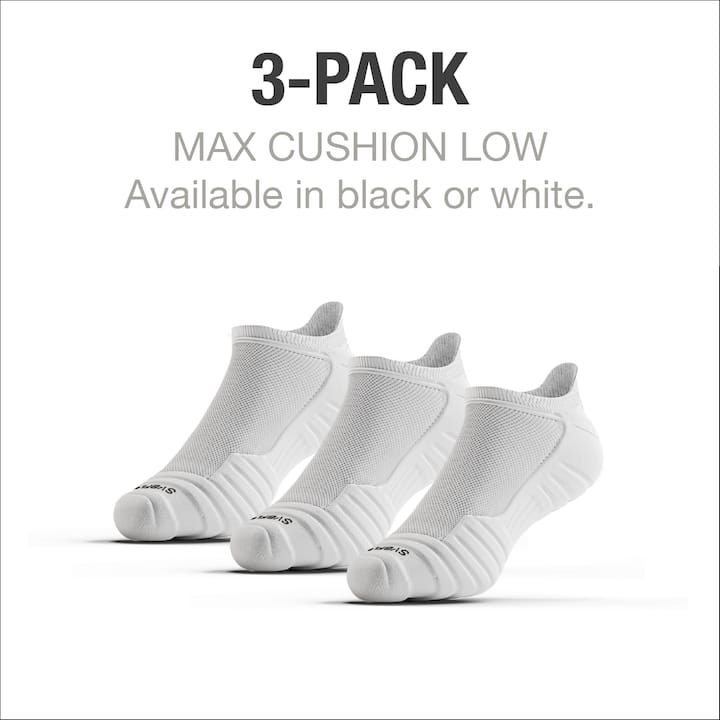
Cooling yarns and cushioned zones solve different problems, and picking between them comes down to use case. Ultralight, cooling-focused builds work best for runners and warm-weather wear, where breathability matters more than padding. Heavier cushioned builds suit standing jobs, gym sessions, or anyone who wants more shock absorption underfoot. Correct sizing also affects lifespan directly: a sock that’s too loose bunches and abrades faster, while one that’s too tight stretches the elastic prematurely, so checking a sizing guide before buying is worth the extra minute.
When evaluating any product page, look past marketing copy for three things: stated reinforcement zones, fiber blend percentages, and sizing charts that match your actual foot measurements, not just shoe size.
— Karina Cartwright
Where to find socks built for the long haul
SVBFLOR designs its socks around the wear points that actually fail first, reinforced heels and toes, cushioned zones placed where impact concentrates, and yarn blends chosen for moisture control rather than just softness. That’s the difference between a sock that looks good on day one and one that still fits right on day one hundred.
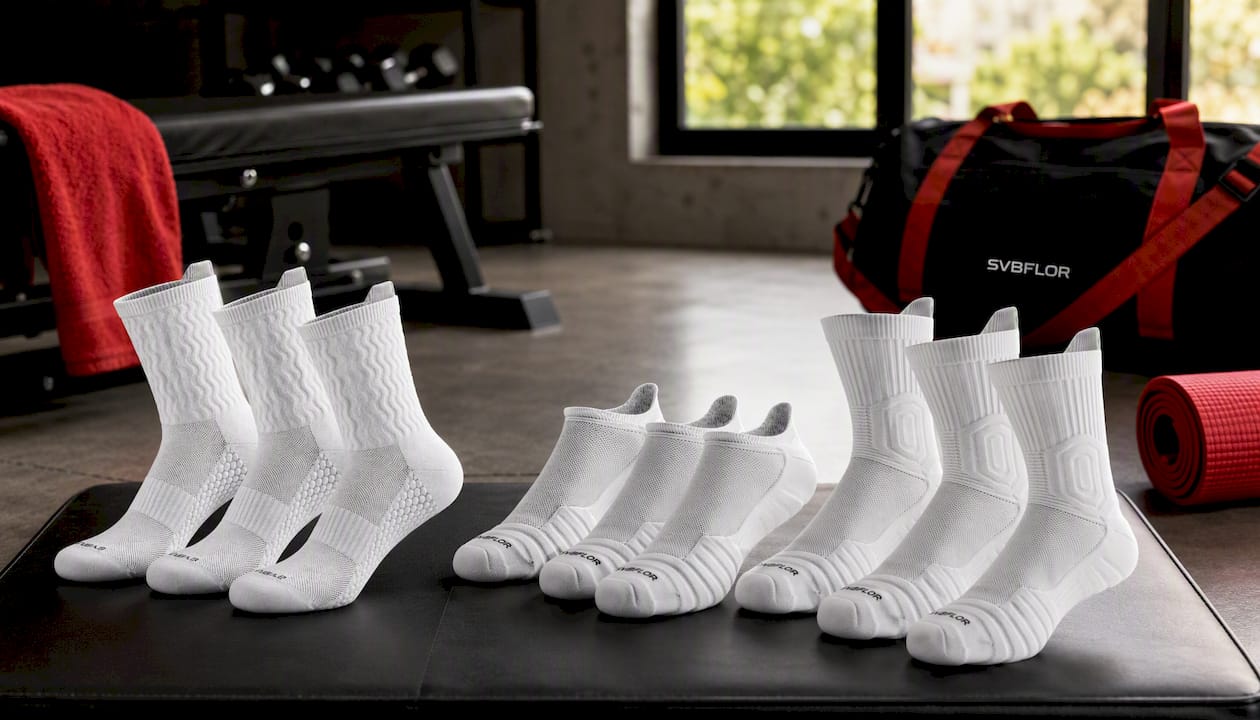
For runners and daily training, the RaceKnit™ Ultralight Cooling Crew Socks are built for breathability and reduced friction over long mileage, priced per pair, with current prices available on the SVBFLOR website. If your priority is cushioned comfort for gym sessions, long shifts on your feet, or everyday wear, the CloudFusion™ Athletic Cushioned Low Socks and CloudFusion™ Athletic Cushioned Crew Socks offer more padding underfoot without sacrificing shape retention, priced per pair, with current prices available on the SVBFLOR website. Pick RaceKnit™ for speed work and hot-weather runs, and CloudFusion™ for standing jobs, training days, or anyone who wants extra cushioning built into daily rotation.
Browse the full socks collection to compare fits and find the pair that matches your actual weekly wear, not just what looks good in a three-pack.
Sources
The material and lifespan ranges in this article draw on podiatrist and footwear-health guidance from Footwear Magazine’s replacement timeline, fiber-durability research from the International Wool Textile Organisation, laundering and fiber-degradation testing from Cotton Incorporated, and construction metrics like needle count and reinforcement from Sock Geeks’ durability breakdown. Blister-prevention and hygiene guidance comes from the American Academy of Dermatology. Each source backs a specific claim rather than the article’s overall framing, so check the linked page directly if you want the full methodology behind a given number.
- How Often Should You Replace Socks? A Podiatrist-Approved Timeline
- Sock durability explained: how to assess and extend sock life – Sock Geeks
- The science of wool durability – IWTO
- Prevent and treat blisters – AAD
FAQ
How often should you replace your socks?
Everyday cotton or wool socks generally need replacing every six to twelve months with regular use, while heavily used athletic socks often wear out in three to six months. Work and compression socks under daily strain may need replacing every three to six months regardless of material.
When should you throw out socks?
Throw out a pair as soon as you spot holes, thinning fabric you can see through, or a cuff that no longer snaps back after stretching. Persistent odor that survives a full wash cycle is also a clear signal the fiber structure has broken down and hygiene is compromised.
How long should you wear one pair of socks?
One day of normal wear is standard, but heavy sweating or long hours in restrictive footwear can call for a mid-day change to reduce blister risk and bacterial buildup. Runners and people on their feet all day often benefit from carrying a spare pair for exactly this reason.
Should I throw away my old socks?
If a pair fails the cuff snap test, has visible holes, or smells persistently after washing, yes, it’s time to retire it rather than keep wearing it. For everyday rotation, look at the socks collection for reinforced, cushioned replacements built to outlast standard cotton pairs.

