


The fastest reliable way to remove sweat smell is: pretreat the sweaty areas, wash with an enzyme or sports detergent using the right temperature, then dry completely. Repeat a deep enzyme soak for persistent funk. Fabric matters. Synthetics often need enzyme or oxidative approaches to help reduce odor that plain detergent may leave behind. Start now by hanging the garment to air and spot-treating the underarms before it goes anywhere near a hamper.
TL;DR:
- Synthetic fabrics like polyester and nylon hold onto odor-causing compounds more strongly than cotton, making odor removal more challenging for activewear.
- Pretreating garments with enzyme sprays, baking soda paste, or vinegar soak before washing significantly improves odor elimination, especially on heavily scented items.
- Using enzyme-based or sports detergents combined with appropriate water temperatures and boosters enhances odor breakdown compared to fragrance-only products.
- Deep cleaning stubborn odors may require multiple steps, including overnight enzyme soaks and specialized oxygen-based or cyclodextrin boosters, or else the garment should be retired.
- Proper machine maintenance and storing garments in ventilated spaces prevent odor reactivation and bacterial growth that can cause fresh smells to reappear.
Table of Contents
- Quick checklist: five immediate steps to stop odors setting
- Pretreating: recipes and safety for baking soda, vinegar, enzymes, and oxidizers
- Washing best practices: detergents, water temperature, cycles and boosters
- Fabric-specific strategies: how polyester, nylon, cotton and blends behave
- Deep-clean workflows for persistent smells that survive a normal wash
- Washer and storage maintenance to prevent odors returning
- SVBFLOR perspective: material choice and product guidance for odor reduction
- Practical SVBFLOR product suggestions and how to care for them
- Sources
- FAQ
Quick checklist: five immediate steps to stop odors setting
Odor sets fastest in the first few hours after a workout. A few small habits right after taking clothes off make the wash cycle far more effective.
- Air out damp garments on a hanger or hook, never balled up in a bag or drawer.
- Skip the closed hamper. A ventilated bin or open basket slows bacterial growth.
- Turn sweaty items inside out so armpit and back panels get direct water and detergent contact.
- Spot-check odor level. Light sweat can go straight to the wash; heavy odor needs a pretreat first.
- Keep a small supply on hand: baking soda, white vinegar, an enzyme spray, and a mesh laundry bag for delicates.
Pro Tip: If you can’t wash right away, hang the item somewhere ventilated rather than sealing it in a gym bag. Trapped moisture is what lets odor-causing bacteria multiply.
Pretreating: recipes and safety for baking soda, vinegar, enzymes, and oxidizers
Pretreatment breaks down the residue that plain washing leaves behind. Match the method to the fabric and the severity.
- Baking soda paste: mix three parts baking soda to one part water, rub into underarm and collar areas, let sit 15 to 20 minutes, then wash. Test a hidden seam first for colorfastness.
- Vinegar soak: use one cup of white vinegar per gallon of water for light odor, or a full soak for heavy odor, then launder as usual. Vinegar can also go directly into the rinse cycle.
- Enzyme stain removers: spray or soak before washing. Enzymes target the proteins and fatty residues in sweat that fragrance-only products can’t break down, according to the International Antimicrobial Council.
- Oxygen bleach or sodium percarbonate: soak whites for up to an hour; check color-safe labeling before using on dyed fabrics.
- Skip all of the above on silk, wool, and other delicate items unless the care label allows it. A gentle enzyme spray at low concentration is usually the safer route.
The International Antimicrobial Council notes that “clean” and “odor-free” are not the same thing, and that persistent garment odor often needs targeted chemistry rather than a standard wash.
Washing best practices: detergents, water temperature, cycles and boosters

Masking odor with fragrance doesn’t remove it. Enzyme-based or sports detergents break down the biofilm and oils that ordinary detergents leave behind, which is why they outperform fragrance-heavy formulas on workout gear.
Water temperature depends on the fabric. Cold water protects synthetic fibers and elastane from breaking down, while cotton and other cellulosic fabrics can usually handle warm or hot water when the care label allows it.
- Add a half cup of white vinegar to the rinse for musty or heavy odor.
- Use a small amount of baking soda directly in the wash drum for extra deodorizing.
- Try an enzyme booster or oxygen-based additive on top of your regular detergent for stubborn cases.
- Avoid overdosing detergent. Excess suds trap residue instead of rinsing it away.
- Don’t overload the machine. Crowded loads get less water contact and rinse poorly.
- Use a sanitize or deep-clean cycle when regular washing stops working.
Fabric-specific strategies: how polyester, nylon, cotton and blends behave
Fabric choice changes how odor behaves and how hard it is to remove. Controlled testing found that polyester and nylon release higher amounts of sweat-derived volatile compounds than cellulosic fibers like cotton, which explains why synthetic activewear tends to smell stronger and hang onto odor longer, according to research on textile odor sorption. Separate university reporting on the same body of work confirms that synthetic fibers common in activewear hold odor-causing compounds more strongly than cotton or other cellulosics.
- For activewear: enzyme pretreat, cool-water enzyme wash, then air-dry or tumble on low.
- For cotton and Pima cotton: warm wash where the label allows it, oxygen bleach for whites.
- Sunlight and airing help lift mild odor from cotton but rarely fix bound-in odor on polyester.
- Chemical treatment, not just airing, is usually necessary for synthetics with heavy odor.
Pro Tip: Hydrophobic synthetic fibers hold onto nonpolar odor compounds tightly, so airing alone often isn’t enough. Enzymes or oxidative treatment do the real work.
Deep-clean workflows for persistent smells that survive a normal wash
Some odors survive a standard wash cycle entirely. These items need a multi-step protocol rather than a repeat trip through the machine.
- Soak the garment overnight in cool water with an enzyme detergent or dedicated enzyme booster.
- Sniff-check the fabric while damp. Odor is easier to detect before drying seals it in.
- For garments that still smell, follow the enzyme soak with a separate soak using oxygen percarbonate, then run a full enzyme wash afterward.
- Where available, laundry boosters built on cyclodextrin or zinc ricinoleate technology can trap or neutralize what enzymes miss. Laundry-chemistry reviews describe combining enzymes, cyclodextrins and zinc-based neutralizers as offering the broadest coverage against sweat-related odor.
- If odor returns after two or three full deep-clean cycles, the fabric may have absorbed odor compounds beyond what home treatment can reach, and it’s reasonable to retire the garment.
Washer and storage maintenance to prevent odors returning
Even a perfect wash routine fails if the machine itself is the problem. Residue and biofilm inside the drum can redeposit odor-causing material onto otherwise clean laundry.
- Run an empty hot-water cycle with a washing-machine cleaner or vinegar every few weeks to clear buildup.
- Dry garments completely. Partial drying is one of the most common causes of odor reactivation, sometimes called “rebloom.”
- Favor sun-drying when possible, and use low heat for synthetics to avoid damaging fibers.
- Store sweaty gear in a ventilated hamper or mesh bag rather than a sealed bin or gym bag.
- Sniff garments before folding and putting them away. A faint smell now becomes a strong one in storage.
SVBFLOR perspective: material choice and product guidance for odor reduction
Fabric selection is half the battle before a single wash cycle starts. SVBFLOR builds its performance socks, underwear, and bras with moisture-wicking construction and breathable material blends designed to move sweat away from skin rather than let it sit and saturate the fabric. That construction reduces how much odor-causing residue the fabric has to hold in the first place. Frequent training days call for pieces built around breathability, while daily wear leans on natural-fiber comfort. Material choice won’t replace a good wash routine, but it changes how much work that routine has to do.
— Karina Cartwright
Practical SVBFLOR product suggestions and how to care for them
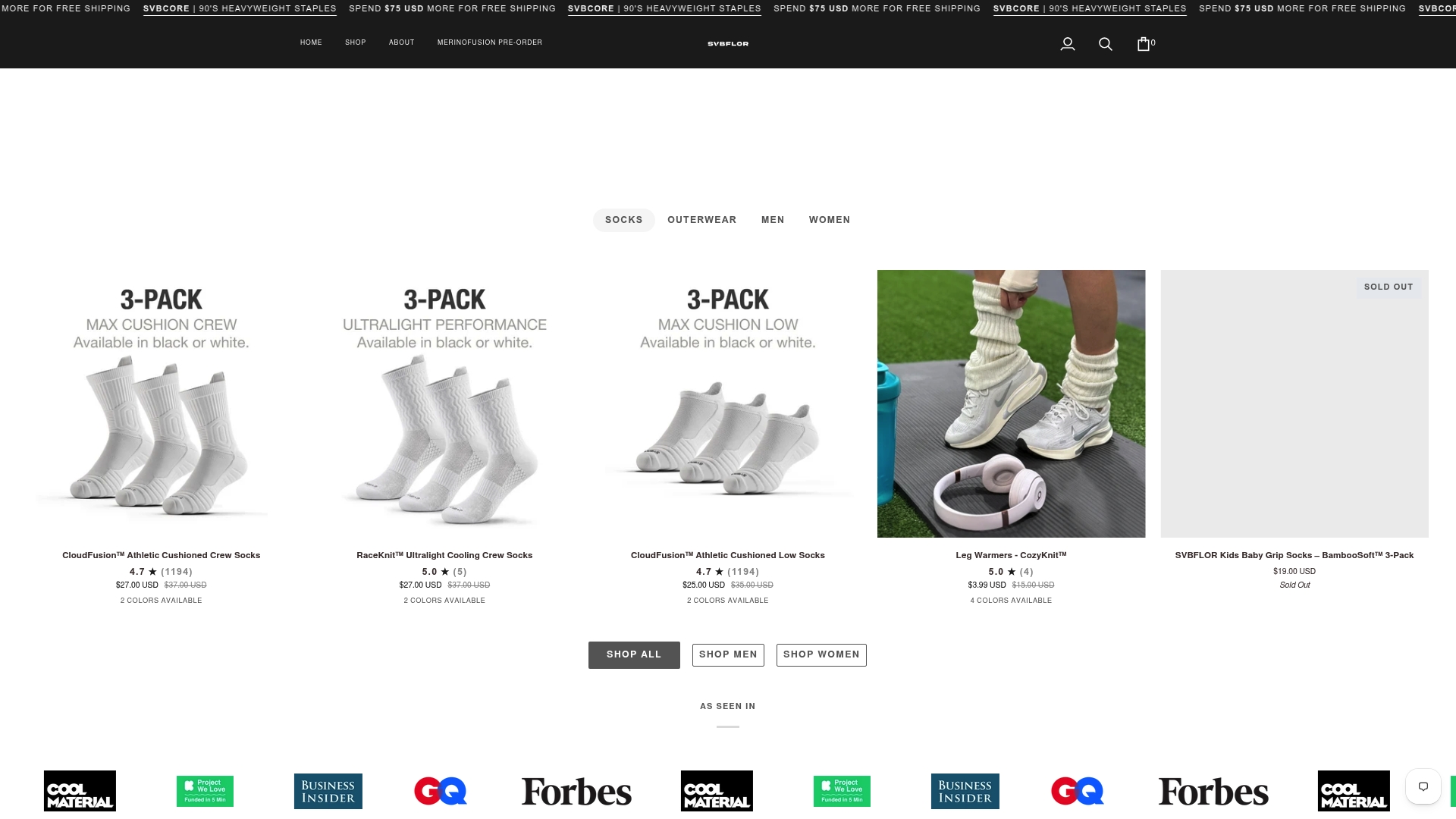
Good laundry habits go further when the garment itself is built to manage sweat instead of trapping it. For training days, the RaceKnit™ Ultralight Cooling Crew Socks are built for breathability and quick drying, which limits the moisture bacteria need to multiply. The CloudFusion™ Athletic Cushioned Low Socks and CloudFusion™ Athletic Cushioned Crew Socks offer the same cushioned, breathable approach for everyday training rotations.
For everyday wear, natural fibers help reduce how long odor sits against skin between washes.
- The SVBPIMA TRI-POUCH™ Boxers use Pima cotton for daily comfort where natural fiber breathability helps.
- The SVBS TRI-POUCH™ Boxers offer a comfort-focused everyday option built the same way.
- Browse the full socks and Tri-Pouch™ Boxers collections to find the right fit for your routine.
Pair the right fabric with the wash routine above and odor has far less to hold onto. Shop the socks collection or underwear collection to build a rotation that works with your laundry schedule, not against it.
Sources
- Textile sorption and release of odorous volatile organic compounds from a synthetic sweat solution
- Anti-Odor technical overview — International Antimicrobial Council
- New research offers fresh insights on why some clothes get smellier
- Your detergent cleans the fabric — but does it actually eliminate the odour or just cover it up?
FAQ
How do I get rid of armpit smell in my clothes?
Pretreat the underarm area with a baking soda paste or enzyme spray, then wash with an enzyme-based detergent at a temperature safe for the fabric. Dry the garment fully before storing it, since incomplete drying is a common reason odor returns.
What kills armpit odor fast?
Enzyme-based sprays and sports detergents work fastest because they break down the proteins and fats in sweat rather than masking them with fragrance, per the International Antimicrobial Council. A quick vinegar soak can also help before a full wash.
Why do my clothes still smell like sweat after washing?
This is often “rebloom,” where sweat and grime weren’t fully removed during the wash and reactivate once the fabric warms up or gets damp again. It’s more common on synthetic fabrics like polyester and nylon, which hold odor compounds more strongly than cotton.
How long does body odor last on clothes?
It depends on the fabric and how the garment was washed and dried. Cellulosic fibers like cotton tend to release trapped odor compounds faster than synthetic fibers, which can hold onto sweat-derived odor through multiple washes if not treated with enzymes or oxidative cleaners.

