


Stop the friction: remove the bra, rinse and pat the area dry, and apply a thin barrier ointment or hydrocolloid dressing. Going forward, fit is the priority, then moisture control, then a pre-workout barrier product. Watch for spreading redness, pus, or fever. Those signs mean it’s time to call a clinician, not reach for more balm.
TL;DR:
- Choosing seamless, bonded seam bras with wide, soft bands significantly reduces hotspots and pressure points that cause chafing during long workouts.
- Applying a barrier product before sweating, managing moisture, and rotating different styles help prevent irritation caused by friction, sweat salt, and worn-out elastic.
- Regularly testing bra fit with a quick bounce, replacing stretched or thinned-out bras, and avoiding new gear on race day minimize risk factors for chafing.
- Mild chafing responds well to gentle cleansing, barrier creams, or hydrocolloid dressings, but signs of infection or worsening symptoms require medical attention.
- Designs with features like wide straps, flat seams, and moisture-wicking fabric are proven to lower chafing risk for most female athletes, especially in humid or long-duration efforts.
Table of Contents
- What Causes Sports Bra Chafing?
- How to Prevent Sports Bra Chafing Before It Starts
- How to Treat Chafed Skin and Know When to See a Doctor
- How to Test Sports Bra Fit and Know When to Replace It
- Which Sports Bra Features Actually Reduce Chafing?
- Three Rules for Avoiding Sports Bra Chafing
- Ready to Stop Chafing for Good?
- Sources
- FAQ
What Causes Sports Bra Chafing?
Chafing comes from two separate friction patterns, and knowing which one you have changes how you fix it. Fabric-on-skin friction happens where a seam, band, or hardware clasp rubs against your torso, underarm, or shoulder. Skin-on-skin friction happens under and between the breasts, where two damp surfaces move against each other with every stride or rep. Heat and duration make both worse. A 20-minute walk rarely causes a problem, but a 90-minute run in humidity turns mild rubbing into raw skin.
Sweat plays a bigger role than most people assume. As sweat dries, it leaves behind salt crystals that act like fine sandpaper against already-irritated skin. Seams, elastic edges, and metal hooks create localized hotspots because they concentrate pressure into a narrow band instead of spreading it out.
Several factors raise your risk:
- Larger breast size, which increases skin-on-skin contact and band pressure
- Long endurance sessions where sweat has time to dry and re-wet repeatedly
- Worn-out bras with stretched elastic that no longer holds its shape
- Heart-rate straps or phone-arm bands layered under or over the bra band
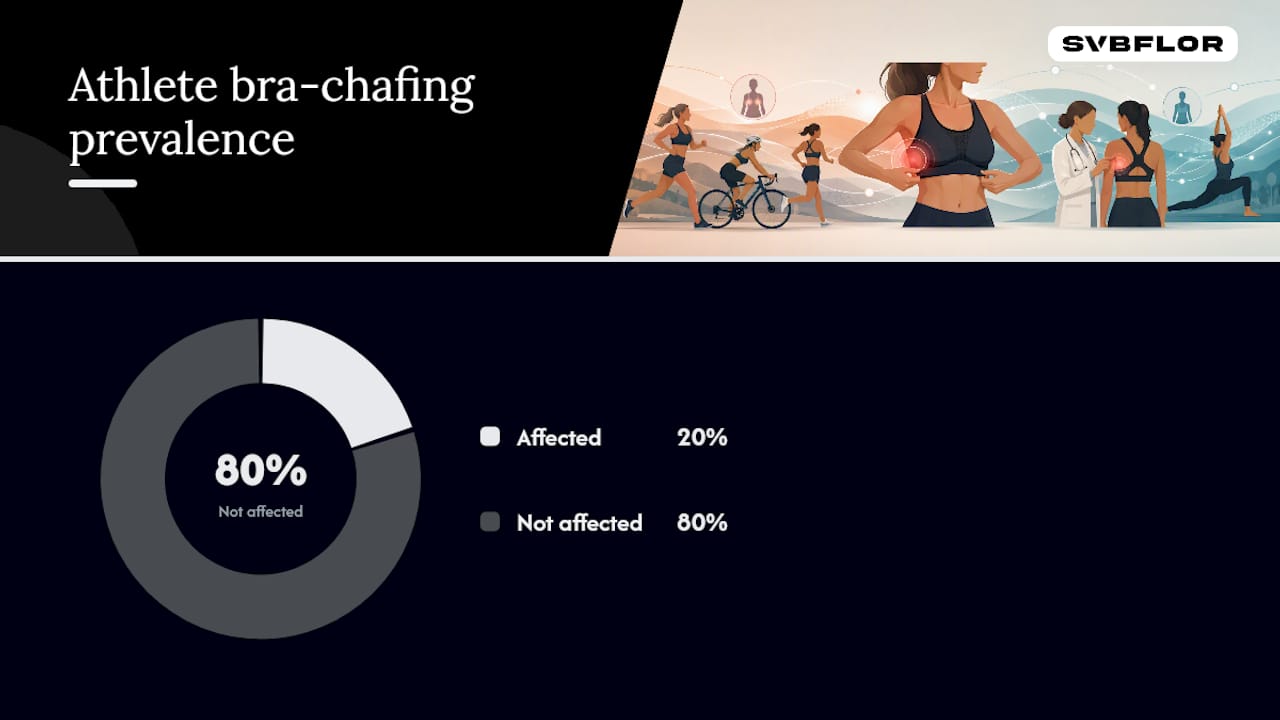
Bra-related chafing affects roughly 20% of female athletes, and the clinical letter behind that figure names fit, textile abrasiveness, and sweat as the primary mechanical drivers.
How to Prevent Sports Bra Chafing Before It Starts
Prevention works best as a routine, not a one-time fix. Run through these steps in order, and you’ll catch most problems before they show up mid-workout.
- Check the fit first. The band should sit flat and parallel to the ground, straps shouldn’t dig into your shoulders, and cups should fully contain your breasts without gaps or spillage. Do a quick bounce test in the store or at home before committing to a long session.
- Choose smooth, bonded construction. Seamless or flatlock seams, wide soft bands, and tagless finishes eliminate the pressure points that cause most hotspots. Seamless and flatlock designs reduce rib and shoulder irritation far more reliably than traditional stitched seams.
- Apply a barrier product before you sweat. Anti-chafe balms, silicone dressings, or skin tape work best when applied to clean, dry skin before the first mile, not after irritation starts. Silicone-based balms tend to hold up longer in humid conditions than plain petroleum jelly, which sweats off faster.
- Manage moisture during longer efforts. Swap out damp gear on runs over 90 minutes if you can, and consider a light powder under the band rather than more gel, which can pool and reintroduce friction.
- Rotate bra styles. Wearing the same bra every session wears the same pressure points every time. Alternating styles changes where the pressure lands, giving irritated skin a break.
Pro Tip: Never wear a brand-new bra for the first time on race day or during a long run. Test it on a short, sweaty 20 to 30-minute session first, then decide if it earns a spot in your long-distance rotation.
Race-day tactics build on this same logic: reapply balm at the halfway mark if you’re going long, carry a small tin or tape strip for hotspots that flare up, and pack a backup sports bra if you’re doing back-to-back events in wet weather.
How to Treat Chafed Skin and Know When to See a Doctor
Mild chafing responds well to simple wound care. Remove the source of friction first, since nothing heals while it’s still being rubbed raw. Wash the area gently with a mild, pH-neutral cleanser, avoiding scrubbing, then pat dry rather than rubbing with a towel. Apply a thin layer of a fragrance-free barrier cream for surface irritation, or a hydrocolloid dressing if the skin has actually broken open.
Match the treatment to the severity:
- Mild redness or rubbing: fragrance-free barrier cream, breathable fabric, rest from the friction source
- Broken skin or erosions: silicone or hydrocolloid dressings to protect the area and support faster closure
- Weeping, draining, or foul-smelling lesions: antiseptic cleansing and a conversation with a provider about whether topical antibiotics are needed
Roughly one in five female athletes deals with bra-related chafing at some point, according to the clinical literature on the condition, and most cases resolve with basic self-care within a week.
Watch for red flags that go beyond simple friction: pain that keeps increasing instead of easing, redness spreading outward from the original patch, pus, fever, or small satellite bumps around the main irritation that can signal a fungal infection. Clinicians typically manage these complications with topical antibiotics for bacterial infection, antifungals for satellite lesions, or short courses of topical corticosteroids for stubborn inflammation. Any of those calls for a provider’s input rather than more balm.
How to Test Sports Bra Fit and Know When to Replace It
A bra that fit perfectly six months ago might be the exact thing causing your chafing today. Elastic degrades with every wash and wear cycle, and a stretched-out band shifts and rubs in ways a snug one never would.
Run this 60-second check before any long session:
- Band line: it should sit level and snug, not riding up in the back or digging into a single spot.
- Strap check: slide two fingers under each strap. If they’re tight enough to leave marks or loose enough to slip constantly, they’re wrong.
- Cup containment: no bulging, no gapping, no shifting when you raise your arms overhead.
- Bounce test: jog in place or do 20 jumping jacks. Anything that moves independently of your body will chafe eventually.
Trial new bras on short, intense sessions before trusting them on a long run or an all-day hike. If you notice a hotspot forming in the first 20 minutes, that bra isn’t ready for distance work yet.
Replace a bra once the band has lost its snap, straps stay stretched even after adjustment, or fabric has thinned to the point of see-through. Laundering matters here too. Wash after every wear with a fragrance-free detergent, skip the fabric softener, and let bras air dry fully, since leftover detergent residue and trapped moisture both irritate skin on the next wear.
Which Sports Bra Features Actually Reduce Chafing?
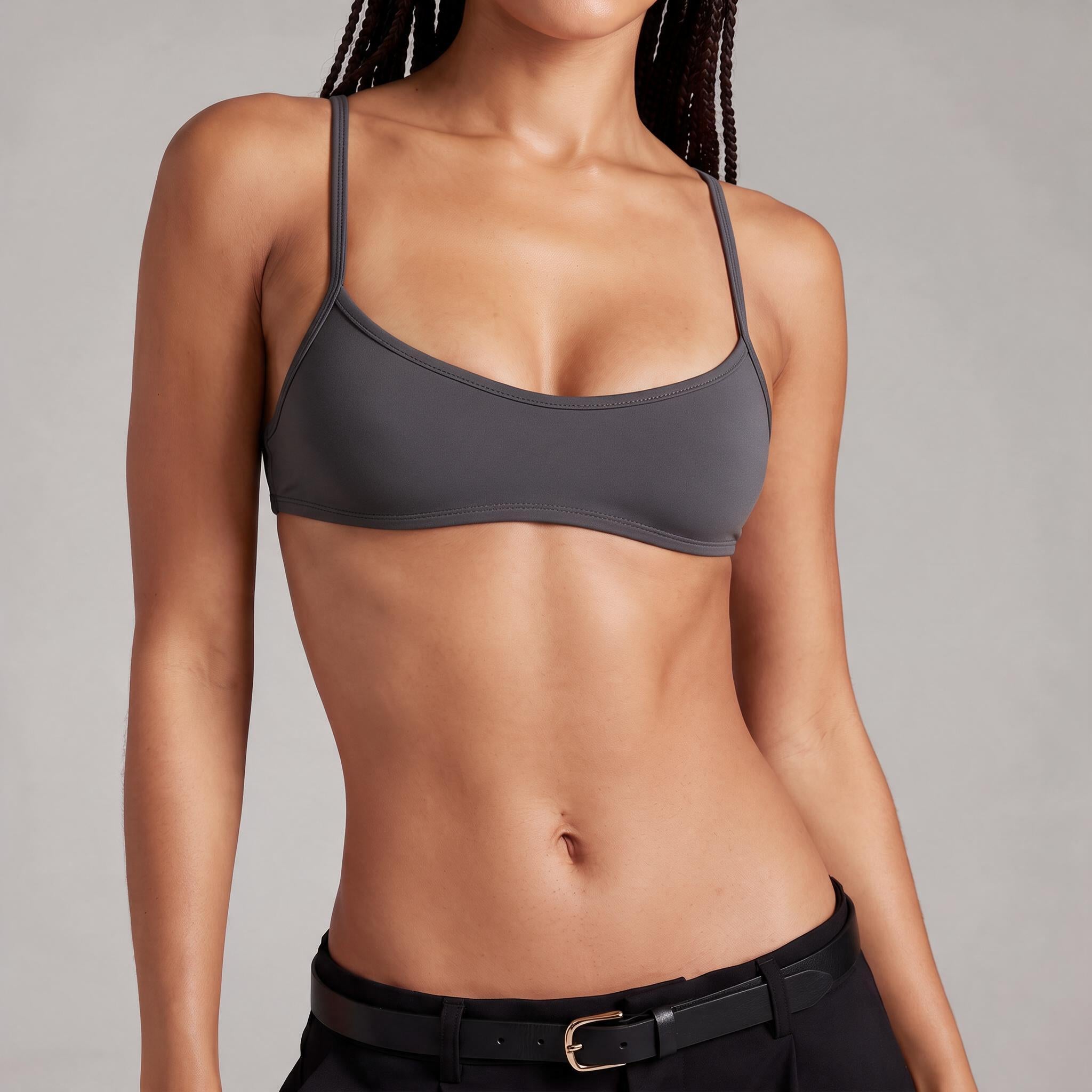
The design details that stop chafing are specific, not decorative. Flat or bonded seams remove the ridge that digs into skin during long sessions. A wide, soft band spreads pressure across more surface area instead of concentrating it in a thin line. Wide straps do the same job for your shoulders, and moisture-wicking performance fabric keeps sweat from sitting against skin long enough to cause breakdown.
Some bra brands build these features into their bra lineup with specific use cases in mind:
- The Low Scoop Workout Bra - Charcoal uses a wide band and bonded seam construction, making it a solid first pick for testing fit before a long run.
- The Wireless Bralette - Cloud Set Grey skips underwire and hardware entirely, which suit recovery days or low-impact sessions where you want zero pressure points.
- The Halter Bra - LuxeRib™ Charcoal carries wider straps designed for readers dealing with shoulder or strap-line chafing specifically.
Try each style on a short 20 to 30 minute session first, exactly the same trial approach the prevention checklist above recommends, before deciding which one earns a spot in your long-distance rotation.
Three Rules for Avoiding Sports Bra Chafing
Fit before everything. A bra that’s wrong at the band or strap will chafe no matter how good the fabric is. Prep for duration and conditions, meaning barrier products go on before sweat starts, not after skin already hurts. Treat early and rest the area when something starts to break down. Most chafing heals fast with basic care, but persistent, spreading, or infected-looking skin needs a clinician, not another week of pushing through it. Track what works session by session. Your skin, your sweat rate, and your favorite distance are specific to you, and no generic list replaces that data.
— Karina Cartwright
Ready to Stop Chafing for Good?
Most chafing fixes come down to gear that actually fits the way your body moves, not another balm reapplication mid-run. Some brands design bras around the same principles covered above: bonded seams instead of raised stitching, wide bands that spread pressure, and moisture-wicking fabric that doesn’t trap sweat against skin.
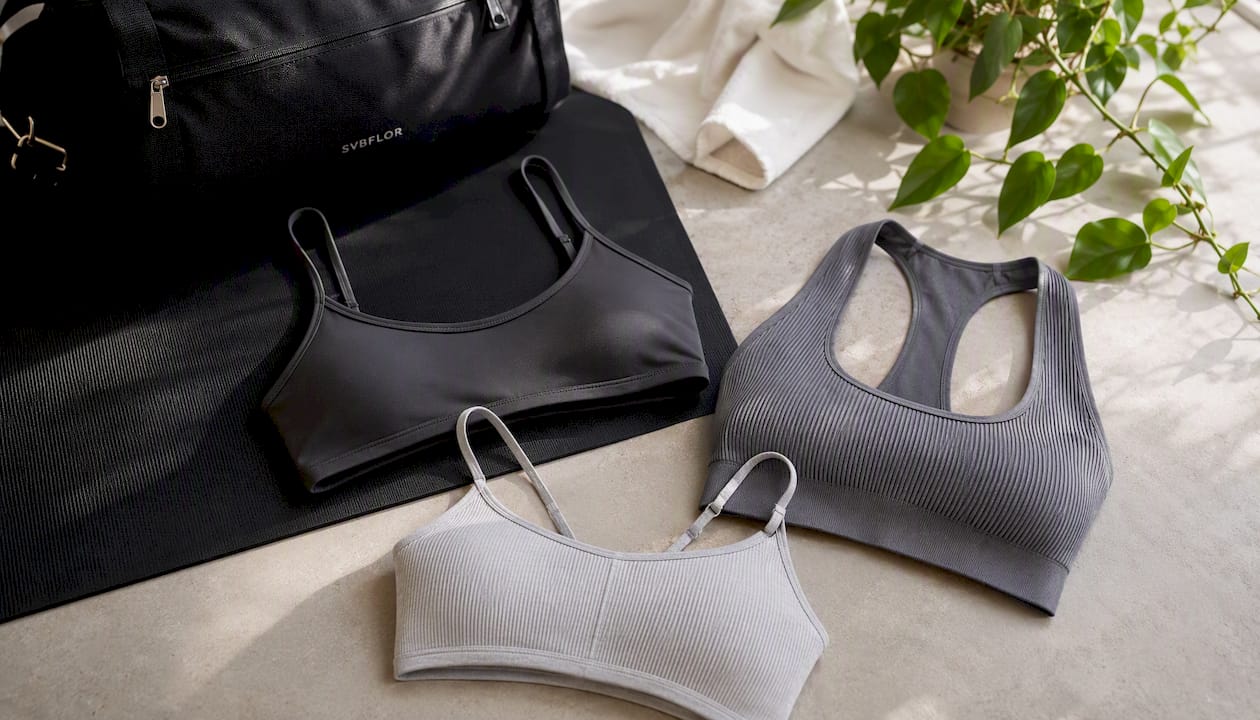
Start with the Low Scoop Workout Bra in Charcoal if you’re testing fit for longer runs, or the Wireless Bralette in Cloud Set Grey for recovery days with zero hardware. If shoulder straps are your problem area, the Halter Bra in LuxeRib™ Charcoal has the wider strap design built to fix that. Whichever style you pick, test it on a short workout before trusting it on a long run. If you’re also dealing with chafing elsewhere on high-sweat days, a natural barrier product can round out the routine. Browse the full SVBRAW lineup or check the Ready-To-Wear collection for everyday pieces that pair well with your workout gear.
Sources
- Bra‐Related Chafing in Female Athletes
- What can I do to prevent sports bra chafing? | Go Ask Alice!
- The Definitive Guide to Preventing Sports Bra Chafing
- How to prevent and treat chafing
FAQ
What Is the 3 Bra Rule?
The “3 bra rule” refers to rotating between at least three sports bras so no single one absorbs the same pressure and moisture every session. Rotation lets each bra fully dry between wears and spreads wear patterns across different bands and seams, which reduces repeated friction on the same skin.
Why Shouldn’t You Wear the Same Sports Bra Every Day?
Wearing one bra daily means the same seams and band press on the same skin repeatedly, and it never gets a full drying cycle between uses. Trapped moisture and repeated pressure are exactly what causes sweat rashes and chafing in the first place.
Why Is My Bra Chafing Under My Breasts?
Underboob chafing usually comes from skin-on-skin friction combined with trapped sweat, made worse by a band that rides up or a cup that doesn’t fully contain breast tissue. A properly fitted band that sits level, paired with a moisture-wicking fabric, typically resolves this within a few sessions.
Which Sports Bra Is Best for Preventing Chafing?
The best choice depends on your activity and pressure points, but bonded seams, wide bands, and moisture-wicking fabric are the features that matter most across the board. Some bras with a low scoop design and wide bands target general workout chafing, while halter bras with wider straps address shoulder-strap irritation specifically.

